
 English
  Spanish
  French
  German
  Portuguese
  Dutch
Dutch  Italian
  Thai
Thai 300 watt LED grow and flood lights are mid-power lighting systems designed for two different purposes. Grow lights provide full-spectrum light that supports plant growth in indoor environments, while flood lights deliver wide-angle illumination for outdoor areas such as gardens, buildings, and security zones. Both use LED technology to offer higher efficiency, lower heat output, and longer lifespan compared to traditional lighting systems.
Key Takeaways
- 300W LED grow lights are suitable for small to medium grow spaces such as 2×2 to 3×3 ft
- LED flood lights are used for outdoor illumination, security, and landscape lighting
- LED systems are more energy-efficient than traditional HPS or HID lighting
- Full-spectrum grow lights support both vegetative and flowering stages
- Low heat output improves plant safety and reduces cooling requirements
- Proper selection depends on application, coverage area, and light distribution
What Are 300 Watt LED Grow and Flood Lights?
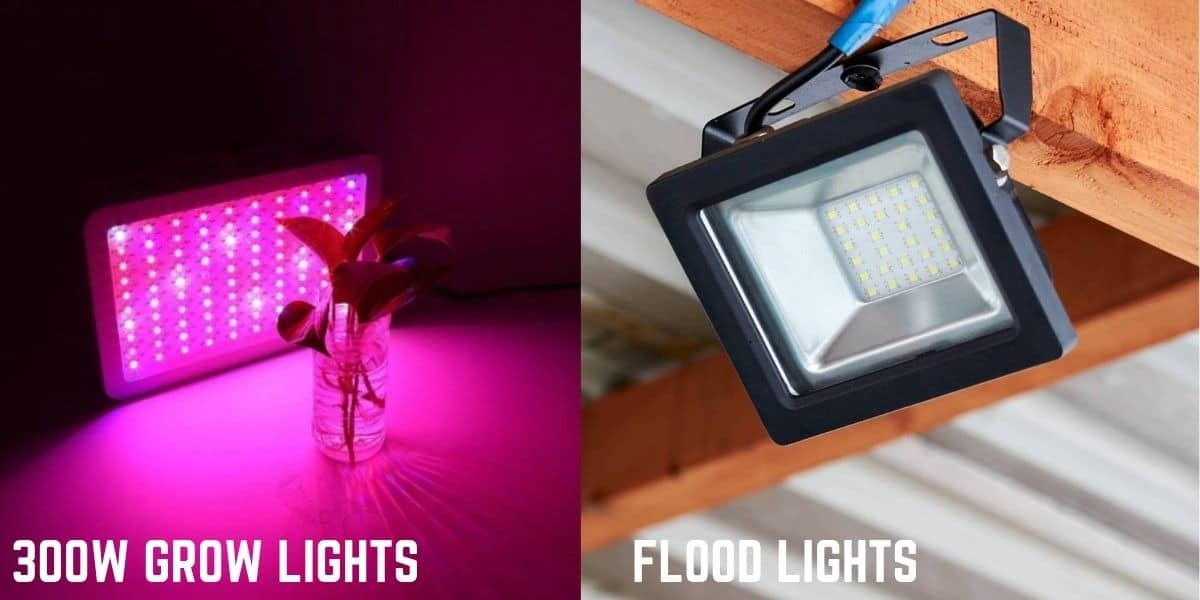
300 watt LED lighting systems fall into a mid-range power category that balances performance and energy consumption. These lights are widely used in both indoor cultivation and outdoor illumination, depending on their design and purpose.
LED grow lights are engineered to provide specific wavelengths of light that plants need for photosynthesis. They replicate natural sunlight using a controlled spectrum, allowing plants to grow efficiently in indoor environments such as grow tents, vertical farms, and hydroponic systems.
LED flood lights, on the other hand, are designed for general illumination. They emit bright, wide-angle light that covers large areas. These are commonly used for outdoor lighting, including building facades, gardens, parking areas, and security applications.
Although both types use LED technology, their design, output, and application differ significantly.
Difference Between 300W Grow Lights and Flood Lights
| Feature | Grow Light | Flood Light |
| Purpose | Plant growth | Area illumination |
| Light Spectrum | Full-spectrum (plant-specific) | White light (cool/warm) |
| Application | Indoor farming, grow tents | Outdoor spaces, security |
| Beam Angle | Focused or controlled | Wide-angle spread |
Grow lights are optimized for plant biology. They provide wavelengths such as blue and red light that influence plant development stages. Flood lights do not focus on plant growth; instead, they prioritize brightness and coverage.
In practical use, choosing the wrong type can lead to poor results. Using flood lights for plants will not support proper growth, while using grow lights for outdoor lighting may not provide sufficient area coverage.
Key Features of 300W LED Grow Lights
Full-Spectrum Lighting
Full-spectrum LED grow lights provide a balanced mix of wavelengths required for plant growth. Blue light supports vegetative growth, while red light enhances flowering. This allows a single system to support the entire plant lifecycle.
Efficiency (µmol/J)
Efficiency measures how effectively electricity is converted into usable light for plants. A 300W LED grow light typically operates between 2.3–2.8 µmol/J, making it significantly more efficient than traditional lighting systems.
PPFD Output
PPFD indicates how much usable light reaches the plant canopy. A well-designed 300W grow light delivers consistent PPFD across the growing area, ensuring uniform plant development.
Heat Management
LED grow lights generate less heat compared to HID or HPS lights. This reduces the risk of plant stress and minimizes the need for additional cooling systems.
Lifespan
Most LED grow lights are designed to last up to 50,000 hours. This long lifespan reduces maintenance and replacement costs over time.
High Lumen Output
Flood lights are designed to produce high brightness levels measured in lumens. This ensures sufficient illumination for large outdoor areas.
Wide Beam Angle
A wide beam angle allows flood lights to cover broad spaces. This makes them suitable for applications such as building exteriors and landscape lighting.
Weather Resistance
Outdoor flood lights are built with protective ratings such as IP65 or higher. This ensures durability in harsh weather conditions, including rain and dust.
Durable Construction
Flood lights are typically made with strong materials that withstand environmental stress. This makes them reliable for long-term outdoor use.
Energy Efficiency
LED flood lights consume less power compared to traditional halogen or metal halide lights while delivering similar or better brightness.
Coverage Area and Performance
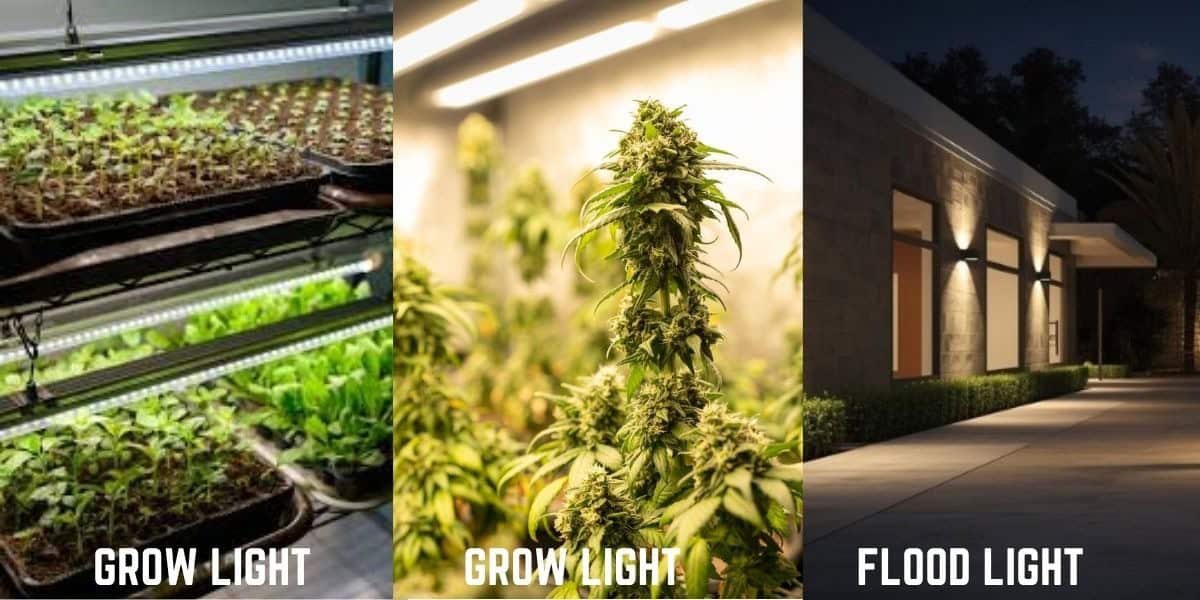
The coverage of a 300W light depends on its type and application.
| Light Type | Coverage Area | Typical Use |
| Grow Light (Vegetative) | Up to 3×3 ft | Early plant growth |
| Grow Light (Flowering) | Around 2×2 ft | High-intensity flowering |
| Flood Light | Wide outdoor area | Security and landscape |
Grow lights require focused intensity, which limits coverage but increases effectiveness for plant growth. Flood lights prioritize wide coverage, making them suitable for outdoor environments.
300W LED vs Traditional Grow Lights
| Factor | LED | HID / HPS |
| Efficiency | High | Low |
| Heat Output | Low | High |
| Lifespan | ~50,000 hours | 10,000–20,000 hours |
| Energy Cost | Lower | Higher |
| Control Options | Advanced | Limited |
LED technology provides better performance in almost every category. Lower heat output reduces cooling requirements, while higher efficiency improves energy savings. Over time, this results in lower operating costs.
Best Use Cases for 300W Lights
Indoor Grow Applications
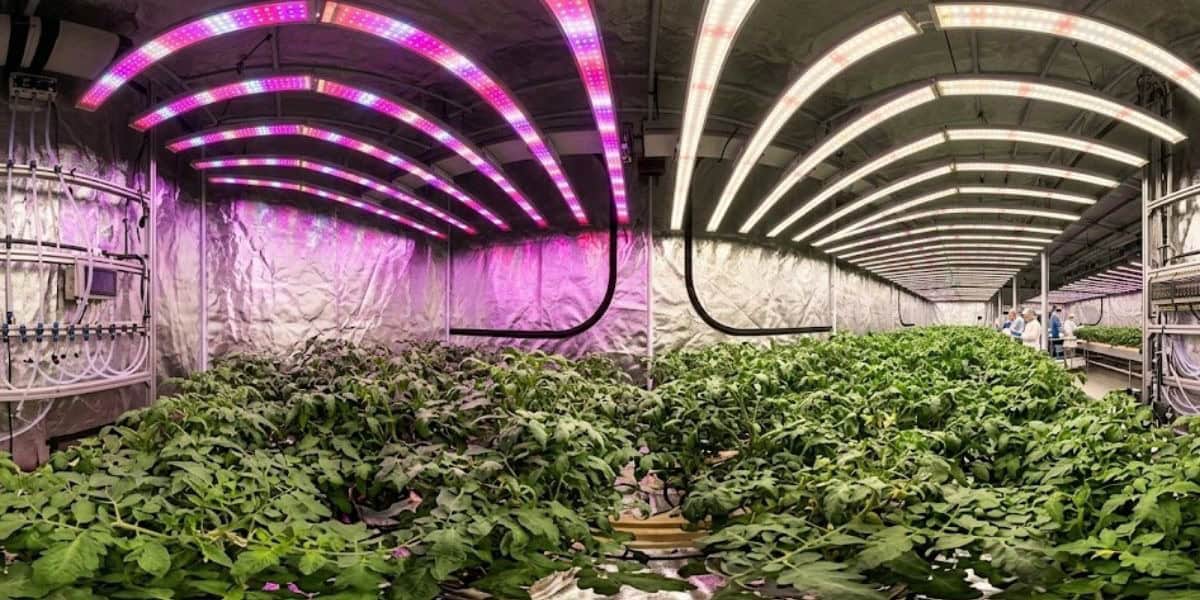
300W grow lights are commonly used in small to medium indoor setups. They provide sufficient intensity for grow tents, hydroponic systems, and controlled environment agriculture. Their compact size makes them suitable for personal and semi-commercial use.
Hydroponics and Vertical Farming
In hydroponic systems, plants rely entirely on artificial lighting. A 300W grow light provides consistent output, ensuring stable plant growth in these environments.
Outdoor Flood Lighting
Flood lights are used for illuminating outdoor areas such as gardens, pathways, and building exteriors. Their wide beam ensures visibility and safety in low-light conditions.
Security Lighting
High-output flood lights are often installed in security systems to improve visibility around properties. Their brightness helps deter unauthorized access and improves surveillance.
Also Explore Our Guide On: 800 Watt LED Grow Lights: Complete Buying Guide for Indoor Plants
How to Choose the Right 300W LED Light
Step 1: Define Your Purpose
Decide whether you need lighting for plant growth or outdoor illumination. This determines whether you need a grow light or a flood light.
Step 2: Check Coverage Requirements
Measure your space and ensure the light provides adequate coverage without over- or under-lighting.
Step 3: Evaluate Efficiency
Choose lights with higher efficiency ratings to reduce electricity costs and improve performance.
Step 4: Consider Spectrum (for Grow Lights)
Ensure the grow light provides full-spectrum output for complete plant growth support.
Step 5: Assess Environmental Conditions
For outdoor use, select flood lights with appropriate IP ratings for durability and weather resistance.
Common Mistakes to Avoid
| Mistake | Impact |
| Choosing wrong light type | Poor plant growth or insufficient lighting |
| Ignoring coverage area | Uneven results |
| Buying low-quality products | Reduced lifespan |
| Incorrect placement | Inefficient light distribution |
Avoiding these mistakes helps maximize performance and ensures long-term reliability.
Conclusion
300 watt LED grow and flood lights offer a balanced solution for both indoor and outdoor lighting needs. Grow lights support efficient plant development through full-spectrum output and controlled intensity, while flood lights provide wide-area illumination for practical outdoor use.
By understanding the differences, features, and applications of each type, users can select the right lighting system based on their specific requirements. Proper selection leads to better performance, improved efficiency, and long-term cost savings.
