
 French
  English
  Spanish
  German
  Portuguese
  Dutch
Dutch  Italian
  Thai
Thai UV light for plants is a supplemental lighting factor that influences plant structure, stress response, and chemical composition rather than driving photosynthesis. It operates outside the visible light spectrum used for energy production, and its role is to trigger controlled biological responses.
In indoor growing systems, UV light is not required for plant survival but can be used to modify plant characteristics when applied correctly. Its effectiveness depends on wavelength selection, exposure duration, and positioning.
In this article, we will explain how UV light works in plant growth, its benefits, types of UV lighting systems, and how to use it safely using measurable parameters.
réponse rapide
What is UV light for plants?
UV light for plants is ultraviolet radiation below 400 nm used as a supplemental lighting factor to influence plant responses and chemical processes.
Les plantes ont-elles besoin de lumière UV ?
Plants do not require UV light for basic growth. It is used only to modify plant structure and biochemical responses.
What are the benefits of UV light?
UV light can influence plant defense mechanisms, increase secondary metabolite production, and affect plant morphology under controlled conditions.
What Is UV Light in Plant Growth
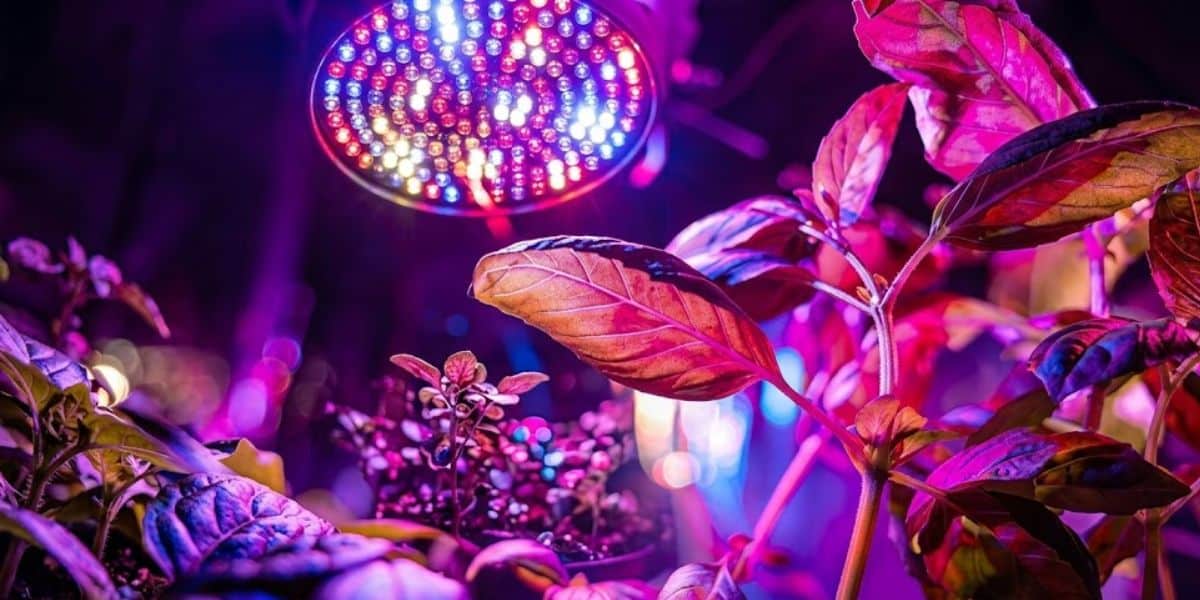
UV light in plant growth refers to electromagnetic radiation below 400 nm that affects plant responses rather than photosynthesis.
Plants primarily use photosynthetically active radiation (PAR) in the 400–700 nm range for energy production. UV wavelengths fall outside this range and act as environmental signals that influence plant behavior.
UV light is divided into three categories based on wavelength, each with different effects on plants.
UV Light Classification
| UV Type | Plage de longueurs d'onde | Effect on Plants |
| UVA | 315–400 nm | Mild influence on plant structure and development |
| UVB | 280–315 nm | Strong influence on stress response and compound production |
| UVC | <280 nm | Harmful to plant cells, not used in horticulture |
UVA is commonly used in indoor growing because it provides controlled effects with lower risk. UVB has higher energy and can trigger stronger responses, but it must be applied carefully to avoid damage. UVC is not used in plant lighting because it can destroy plant tissue.
UV exposure can lead to changes in plant morphology, including thicker leaves and reduced elongation. These changes are part of the plant’s adaptation to environmental stress signals.
Aperçu de la décision : Use UVA for regular controlled applications and limit UVB to short, carefully managed exposure periods.
Also Read Our Guide On: Types of UV Grow Lights
Benefits of UV Light for Plants
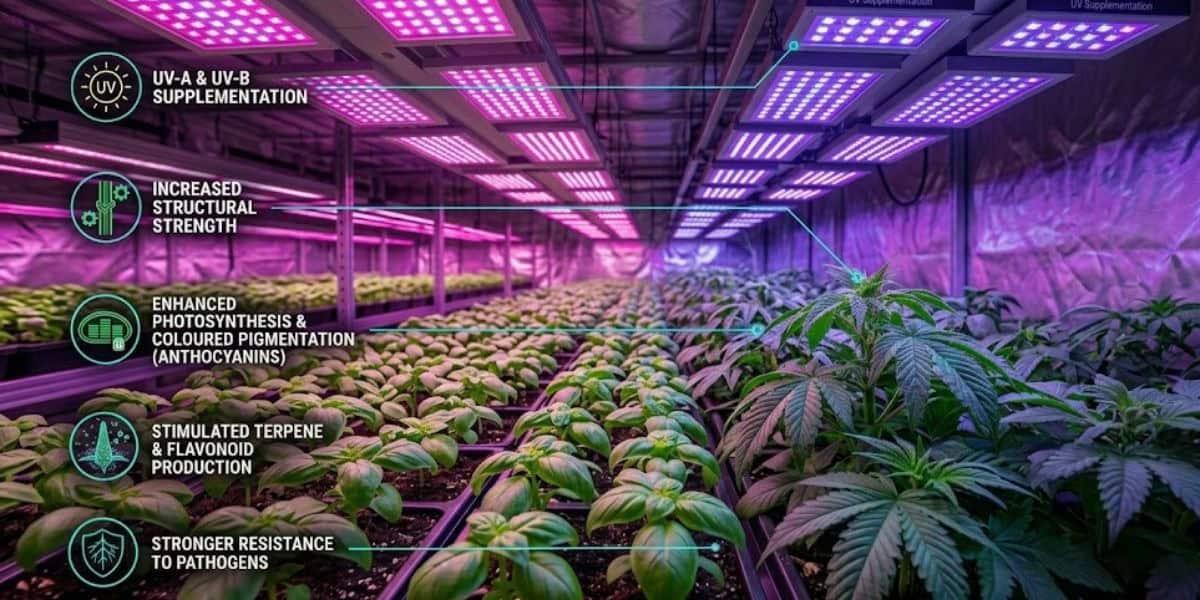
UV light benefits refer to measurable biological and structural changes in plants caused by controlled exposure to ultraviolet radiation.
One of the primary effects of UV exposure is the increase in secondary metabolites. Plants may produce higher levels of flavonoids, antioxidants, and protective compounds. These compounds help plants manage environmental stress and protect cellular structures.
UV light can also improve plant defense responses. When exposed to UV, plants activate protective mechanisms that strengthen cell walls and increase resistance to environmental factors. This response is part of the plant’s natural survival strategy.
Another observable effect is structural change. Plants exposed to UV light may develop more compact growth patterns, with shorter internodes and thicker leaves. These changes are not related to faster growth but to stress adaptation.
UV exposure also creates a controlled stress response. This type of stress is beneficial when managed correctly, as it encourages plants to adapt and strengthen without causing damage.
However, benefits depend on correct usage. Excessive UV exposure can reduce growth efficiency and damage plant tissues instead of improving quality.
Aperçu de la décision : UV lighting is most effective when used in controlled doses to influence plant traits rather than increase growth speed.
How to Use UV Light for Plants
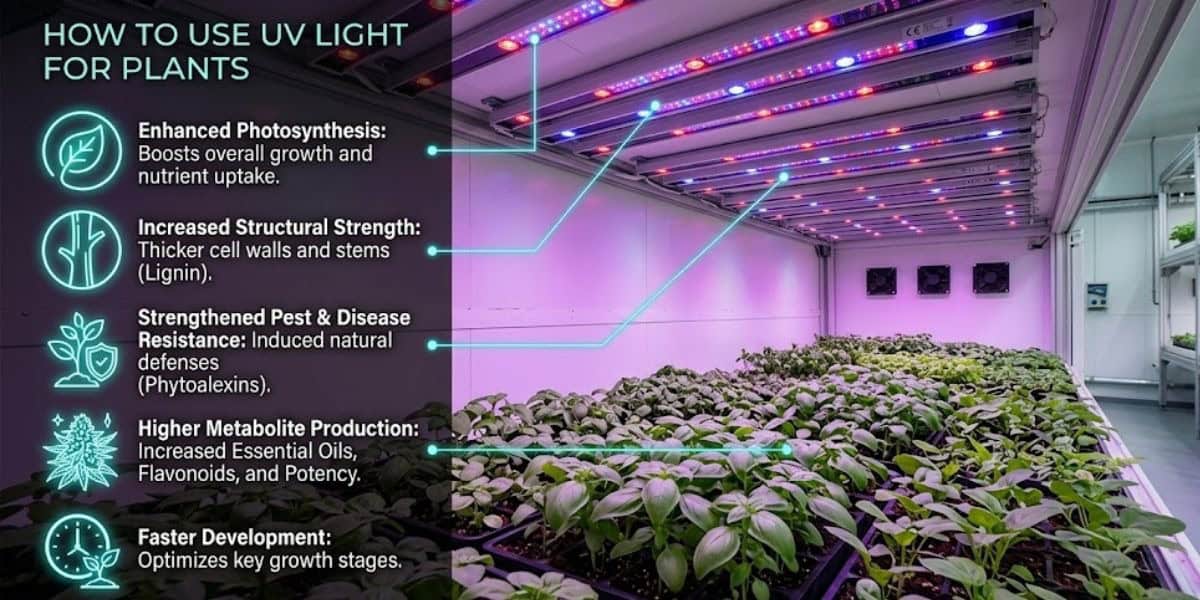
UV usage refers to controlling exposure timing, duration, and positioning to achieve safe and effective plant responses.
UV usage refers to controlling exposure timing, duration, and positioning to achieve safe and effective plant responses.
UV light is typically introduced during the late vegetative or flowering stages of plant growth. Early-stage plants, such as seedlings, are more sensitive and generally do not require UV exposure.
Exposure duration is a critical factor. UV light is usually applied for short periods rather than continuous operation. Controlled exposure reduces the risk of plant stress and allows gradual adaptation.
Distance between the light source and plant canopy determines intensity. Closer distances increase exposure levels, while greater distances reduce intensity.
Recommended UV Usage Parameters
| paramètre | Gamme recommandée |
| Exposure time | 1–3 hours/day |
| Distance from canopy | 60–100 cm |
| Growth stage | Late vegetative / flowering |
Short exposure periods allow plants to respond without experiencing damage. Gradual adjustments help maintain stability in plant development.
Aperçu de la décision : Apply UV lighting in short, controlled intervals rather than continuous exposure.
Safety and Usage Guidelines
UV safety refers to protecting plants and users from damage caused by excessive ultraviolet exposure.
Plant safety requires monitoring exposure levels carefully. Excessive UV can cause leaf burn, discoloration, and reduced growth efficiency. UVB exposure carries a higher risk than UVA due to its higher energy level.
Human safety is also important. UV radiation can affect skin and eyes, so protective equipment such as glasses and appropriate clothing should be used when working near UV lighting systems.
Exposure control is essential for both plant and human safety. UV lighting should be operated on timers or controlled schedules to prevent overuse. Proper fixture placement also helps maintain safe intensity levels.
Environmental conditions such as airflow and temperature should also be considered, as they influence plant response to UV exposure.
Aperçu de la décision : Always combine UV lighting with controlled timing and safety precautions to avoid negative effects.
Recommended Setup Approach
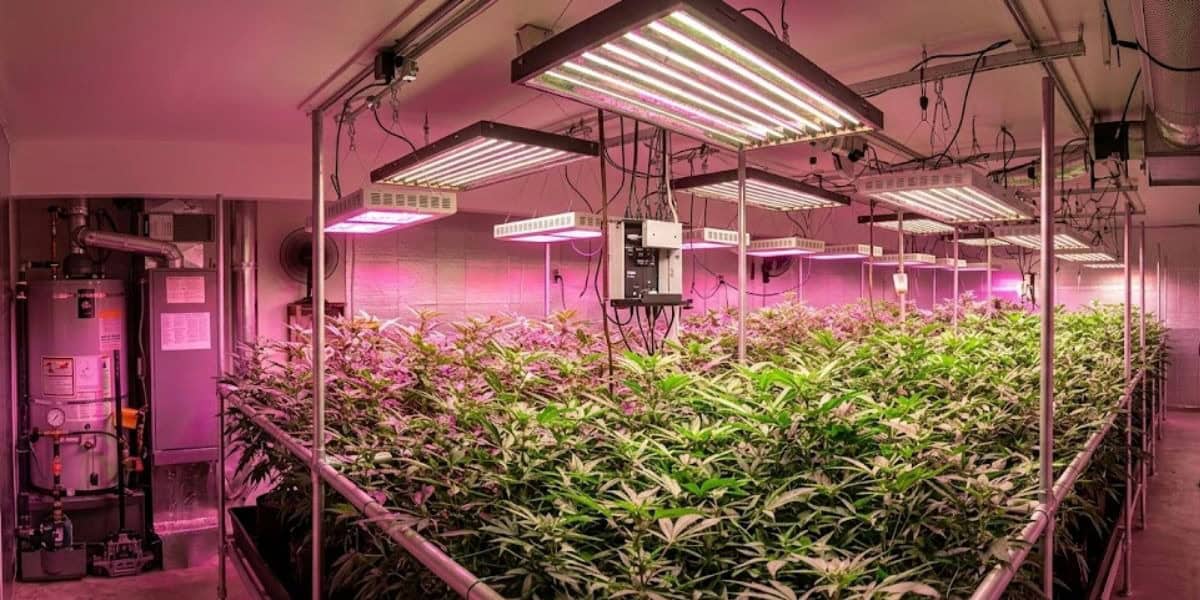
A recommended setup approach refers to how UV lighting is integrated into an indoor growing system.
UV lighting should always be used as a supplemental component rather than a primary light source. Plants rely on full-spectrum lighting for photosynthesis, and UV is only used to influence specific traits.
In most setups, UV lights are installed alongside full-spectrum LED systems. This combination allows plants to receive both energy-producing light and controlled UV exposure.
UV systems are typically operated independently using timers or controllers. This allows growers to adjust exposure without affecting the main lighting schedule.
Positioning is also important. UV lights should be placed at a safe distance from the canopy to ensure even distribution without excessive intensity.
Aperçu de la décision : Use UV lighting as an add-on to full-spectrum systems rather than replacing primary lighting.
Common Mistakes When Using UV Light
Common mistakes are incorrect usage practices that reduce effectiveness or cause damage.
- Using UV light as the main lighting source instead of supplemental
- Applying UV exposure for too long without control
- Placing UV lights too close to the plant canopy
- Ignoring safety precautions for human exposure
Practical UV Usage Checklist
A checklist ensures correct and safe use of UV lighting systems.
- Use UV lighting as a supplemental source
- Limit exposure to 1–3 hours per day
- Maintain a distance of 60–100 cm from plants
- Monitor plant response regularly and adjust as needed
conclusion
UV light for plants is a supplemental tool used to influence plant development through controlled exposure to ultraviolet wavelengths. It does not replace standard grow lighting systems but supports specific plant responses related to structure and chemical composition.
Its effectiveness depends on correct application. Factors such as wavelength selection, exposure duration, and distance must be carefully managed. UVA is generally suitable for routine use, while UVB requires stricter control due to higher energy levels.
For most indoor growing environments, UV lighting is optional rather than essential. When used correctly, it can support targeted cultivation goals without negatively affecting plant health.
