
 Dutch
Dutch  English
  Spanish
  French
  German
  Portuguese
  Italian
  Thai
Thai The 150W LED category is often misunderstood as a “mid-power” solution, but in professional lighting design, it is considered a precision power class. This is because 150W sits at a point where system efficiency, thermal management, optical distribution, and electrical stability must all work together to deliver usable output.
In practical terms, two 150W LED fixtures can perform completely differently. One may deliver high photon density suitable for plant flowering, while another may fail to reach even basic vegetative requirements. Similarly, a 150W flood light may either produce uniform illumination across a parking area or create uneven hotspots with poor visibility.
This variation occurs because wattage is only input energy, not output performance.
Modern LED engineering focuses on:
- Conversion efficiency (µmol/J or lm/W)
- Optical utilization
- Thermal dissipation
- Driver stability
A well-designed 150W LED grow light typically produces 350–560 µmol/s depending on chip and optics , while a 150W flood light can deliver 15,000–22,500 lumens depending on efficiency and design .
snel antwoord
A 150W LED grow light delivers plant-usable photons in the range of 300–500 µmol/s, while a 150W flood light produces 15,000–22,500 lumens, making it ideal for small-to-medium indoor cultivation and outdoor lighting applications.
Belangrijkste afhaalmaaltijden
- 150W is an efficiency-focused lighting range, not just a power rating
- Grow lights must be evaluated using PPFD and spectrum, not brightness
- Flood light performance depends heavily on beam angle and optics
- Thermal design determines long-term output stability
- Efficiency (µmol/J or lm/W) is more important than wattage
- Proper placement defines real-world performance
What is a 150W LED Grow and Flood Light?
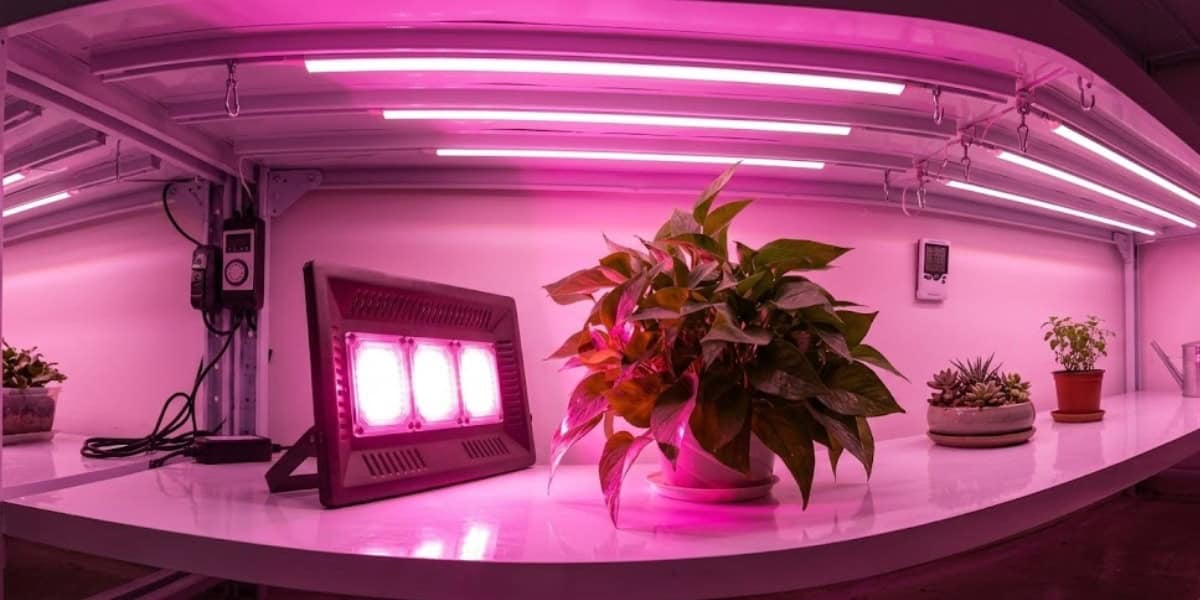
A 150W LED lighting system is a semiconductor-based luminaire that converts electrical energy into light using electroluminescence. Unlike traditional HID or halogen systems, LEDs allow precise control over wavelength, intensity, and beam shape.
System Components and Their Engineering Role
| samenstellend | werking | Engineering Importance |
| LED Chip | Generates photons | Determines efficiency and spectrum |
| Driver | Regulates power | Controls stability and lifespan |
| Heat Sink | Dissipates heat | Prevents performance loss |
| Optical Lens | Shapes light | Controls distribution and intensity |
| Housing | Protects system | Defines durability and IP rating |
LED Chip (Light Source Core)
The LED chip is the fundamental light-emitting element in the entire system. It is typically fabricated using semiconductor materials such as gallium nitride (GaN) or indium gallium nitride (InGaN) for visible light applications. The efficiency of a 150W LED system is heavily dependent on the quality, binning, and architecture of these chips.
Technical Factors That Define Chip Performance
| agent | tafereel | Impact on Performance |
| Chip Material | GaN / InGaN | Determines wavelength and efficiency |
| Binning | Sorting by output | Ensures uniform brightness |
| Junction Efficiency | Electrical → light conversion | Higher µmol/J or lm/W |
| Chip Density | Chips per board | Affects heat and distribution |
| Package Type | SMD / COB | Influences thermal and optical behavior |
Deep Explanation
Material Composition (GaN / InGaN):
The semiconductor material determines the wavelength output and efficiency. InGaN is widely used for high-efficiency blue and white LEDs. Better material quality reduces internal losses and increases photon output.
Binning Process:
LED chips are sorted into bins based on brightness and color consistency. High-end fixtures use tightly binned LEDs to ensure uniform output. Poor binning results in uneven lighting and inconsistent plant growth.
Junction Efficiency:
This refers to how efficiently electrons are converted into photons. In high-quality LEDs, this can exceed 60% efficiency at the chip level, but drops when thermal losses increase.
Chip Density:
Higher chip density increases light output but also raises thermal load. That is why modern systems prefer spreading chips across boards rather than concentrating them.
Package Type (SMD vs COB):
SMD chips allow better heat distribution and uniform lighting, while COB chips provide higher intensity but concentrate heat in a smaller area.
LED Driver (Electrical Control System)
The LED driver is responsible for converting AC power into a regulated DC current suitable for LED operation. It is one of the most critical components because LEDs are current-driven devices, not voltage-driven.
Driver Performance Parameters
| parameter | Typische waarde | Importance |
| bekwaamheid | 90–95% | Reduces energy loss |
| Power Factor | >0.9 | Grid efficiency |
| THD (Total Harmonic Distortion) | <20% | Electrical stability |
| Output Type | Constant Current | Prevents LED damage |
| Protection | OVP / OCP / OTP | Safety and durability |
Efficiency:
A driver with 90–95% efficiency ensures minimal energy loss during conversion. A low-quality driver wastes energy as heat, reducing overall system efficiency.
Power Factor (>0.9):
Power factor indicates how effectively electrical power is utilized. Industrial-grade drivers maintain a high power factor to reduce reactive power losses and comply with grid standards.
THD (Total Harmonic Distortion):
Lower THD ensures stable electrical performance and reduces interference with other equipment. High THD can cause flicker and reduce lifespan.
Constant Current Output:
LEDs require stable current. Fluctuations can lead to overheating, flickering, and early failure. A constant current driver ensures consistent operation.
Protection Systems:
Advanced drivers include protection against over-voltage, over-current, and overheating. These safeguards prevent catastrophic failure and extend lifespan.
Heat Sink (Thermal Management System)
Thermal management is one of the most critical aspects of LED system design. Unlike traditional lights, LEDs are highly sensitive to temperature. The heat sink ensures that excess heat is removed from the LED junction.
Heat Sink Design Parameters
| parameter | tafereel | indrijven |
| Material | Aluminum (6063-T5) | High thermal conductivity |
| Surface Area | Fin structure | Heat dissipation efficiency |
| Thermal Resistance | °C/W | Lower is better |
| Cooling Type | Passive / Active | Reliability vs performance |
| Mounting Design | Direct contact | Heat transfer efficiency |
Deep Explanation
Material (Aluminum):
Aluminum is widely used due to its excellent thermal conductivity and lightweight properties. High-grade alloys improve heat transfer efficiency.
Surface Area (Fin Design):
Heat sinks use fins to increase surface area, allowing more heat to dissipate into the air. The more optimized the fin structure, the better the cooling performance.
Thermal Resistance:
This measures how effectively heat moves from the LED junction to the surrounding air. Lower thermal resistance means better cooling and longer lifespan.
Passive vs Active Cooling:
Passive cooling uses natural airflow and is more reliable. Active cooling (fans) improves performance but adds maintenance risk.
Mounting Design:
Direct contact between LED board and heat sink improves heat transfer. Poor mounting leads to heat buildup and reduced efficiency.
Optical Lens (Light Distribution System)
The optical system controls how light is distributed from the LED source to the target area. This includes lenses, reflectors, and diffusers.
Optical Design Parameters
| parameter | tafereel | indrijven |
| Beam Angle | 30°–120° | Coverage vs intensity |
| Lens Type | PMMA / PC | Light transmission |
| Optical Efficiency | 85–95% | Light loss reduction |
| Uniformity | Even distribution | Application performance |
| Glare Control | Diffusion design | Visual comfort |
Beam Angle:
A narrow beam increases intensity but reduces coverage, while a wide beam spreads light over a larger area. Choosing the correct beam angle is critical for both grow and flood applications.
Lens Material (PMMA / Polycarbonate):
High-quality lenses minimize light loss and resist UV degradation. Poor materials reduce output over time.
Optical Efficiency:
Not all emitted light reaches the target. High optical efficiency ensures minimal losses through reflection or absorption.
Uniformity:
Uniform light distribution is essential in grow lighting to prevent uneven plant growth. In flood lighting, it ensures consistent visibility.
Glare Control:
Proper lens design reduces glare, improving visual comfort in outdoor environments.
Housing (Mechanical and Environmental Protection)
The housing provides structural integrity and protects internal components from environmental exposure. It also plays a role in heat dissipation and durability.
Housing Specifications
| parameter | tafereel | Importance |
| Material | Aluminum / Die-cast | Strength + heat dissipation |
| IP Rating | IP65–IP67 | Water/dust protection |
| IK Rating | IK06–IK10 | Impact resistance |
| Coating | Anti-corrosion | Outdoor durability |
| Sealing | Gasket system | Prevents moisture ingress |
Material (Die-Cast Aluminum):
Provides both structural strength and thermal conductivity. It helps dissipate heat while protecting internal components.
IP Rating (Ingress Protection):
IP65 means protection against dust and water jets, making it suitable for outdoor use. Higher ratings provide additional protection in harsh environments.
IK Rating:
Defines resistance to mechanical impact. Important in industrial or outdoor installations where fixtures may be exposed to physical damage.
Anti-Corrosion Coating:
Outdoor environments expose fixtures to moisture, chemicals, and UV radiation. Protective coatings extend lifespan.
Sealing System:
Rubber gaskets and sealing mechanisms prevent water ingress, which can damage electrical components.
Types of 150W LED Grow Lights
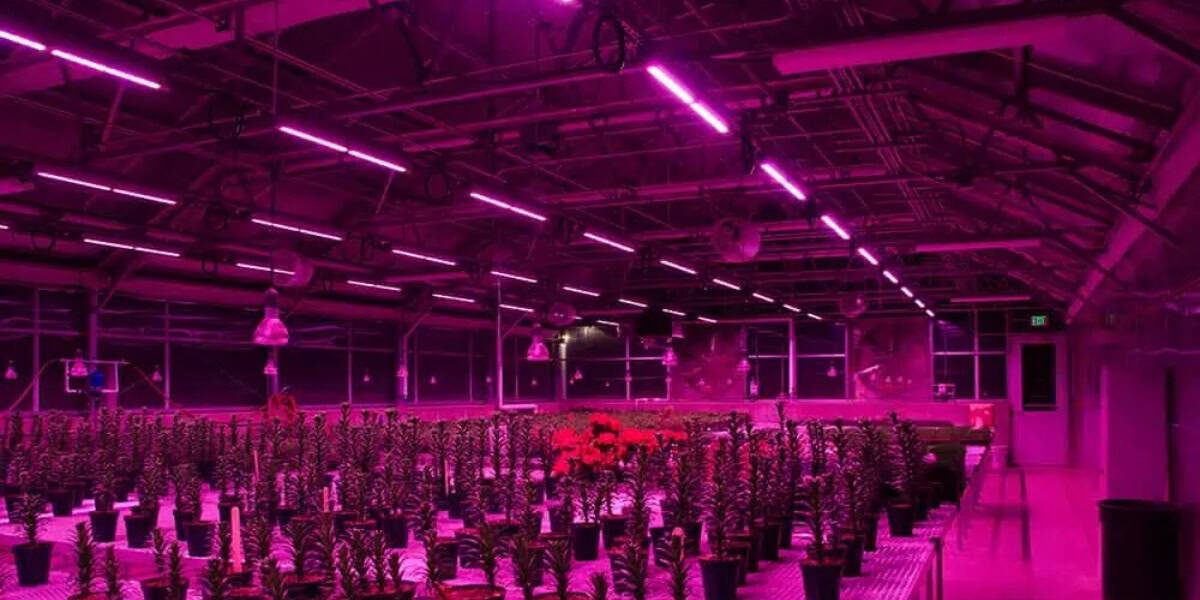
Structural Design and Performance Comparison
| symboliseren | Light Distribution | bekwaamheid | Thermal Behavior | gebruiksgeval |
| Quantum Board | Wide uniform | High (2.6–3.0 µmol/J) | Low heat density | Binnententen |
| COB LED | Focused intense | Medium (2.0–2.5) | High heat | Deep canopy |
| Bar Light | Linear spread | Very high (2.7–3.2) | Balanced | Commercial farming |
| Spectrum-Specific | Targeted peaks | Medium | doen bedaren | het bloeien |
Quantum Board Systems
These systems distribute LEDs across a flat board, creating uniform PPFD across the canopy. This reduces shadowing and improves plant consistency.
COB Systems
COB LEDs concentrate light into a single source, increasing intensity and penetration. However, this also increases heat, requiring advanced cooling systems.
Bar Lights
Bar systems spread light across multiple strips, reducing hotspots and improving scalability. These are commonly used in commercial grow operations.
Spectrum-Specific Lights
These lights focus on red and blue wavelengths. While efficient for flowering, they lack flexibility for full-cycle growth.
For full system selection strategy: Kwekers Choice LED-groeilampen en -apparatuur – Complete aankoop- en prestatiegids
Types of 150W LED Flood Lights
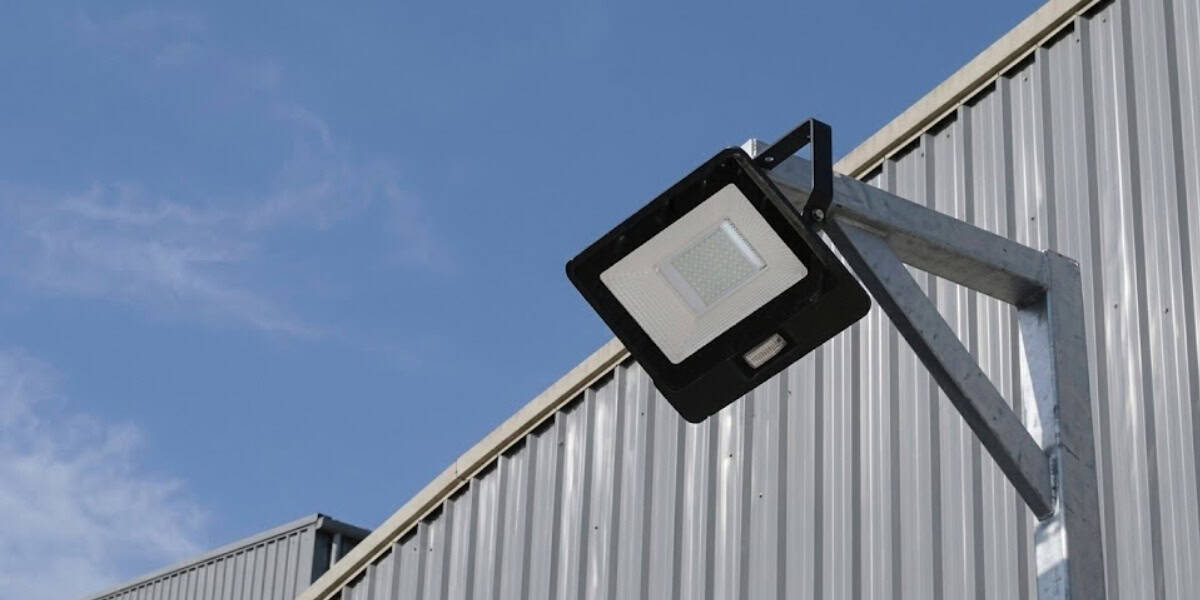
Optical Design Comparison
| symboliseren | Beam Angle | Lux Output | omvang | aanwending |
| Narrow Beam | 30°–60° | geweldig | Small area | Spotlight |
| Medium Beam | 60°–90° | Balanced | Medium | Security |
| Wide Beam | 90°–120° | dreigen | Large | Area lighting |
Narrow Beam
Concentrates light into a small area, increasing lux levels. Ideal for highlighting objects.
Medium Beam
Provides a balance between intensity and coverage, making it suitable for general-purpose lighting.
Wide Beam
Spreads light across a large area. While intensity decreases, overall coverage improves.
Performance and Technical Parameters
Core Metrics Table
| parameter | Typisch bereik | Engineering Meaning |
| PPF | 300–560 µmol/s | Total photons emitted |
| bekwaamheid | 2,0-3,0 µmol/J | Conversion efficiency |
| Lumens | 15,000–22,500 | Visible brightness |
| CRI | 70–90 | Color accuracy |
| levensduur | 50,000 hrs | Operational durability |
| Beam Angle | 80°–120° | Light spread |
PPF (Photon Output)
Defines total usable photons for plant growth. Higher PPF increases growth potential.
Efficiëntie (µmol/J)
This is the most critical metric. It determines how effectively power is converted into usable light.
Lumens
Relevant for flood lights. Represents brightness perceived by humans.
CRI
Higher CRI improves visual clarity in outdoor lighting.
levensduur
LEDs last significantly longer than traditional systems, reducing maintenance cost.
Real-World Applications
Indoor Grow Applications
| Area | Required PPFD | 150W Suitability |
| 2×2 ft | 300–500 | Ideal |
| 3 × 3 ft | 400–700 | Optimal |
| 4×4 ft | 600+ | Multiple units needed |
Deep Explanation
As the coverage area increases, photon density decreases. This means a single 150W light becomes less effective over larger areas. Proper spacing and mounting height are critical.
Scaling guide:
Outdoor Applications
| aanwending | Lux Requirement | Performance |
| Security | 50–100 lux | Suitable |
| Parking | 100–200 lux | doen bedaren |
| Industrial | 200–300 lux | schraal |
Outdoor lighting must meet minimum lux requirements for safety. A 150W flood light is suitable for medium applications but may require multiple units for industrial use.
Lighting Calculation
PPFD Distribution Table
| PPF | Area | PPFD |
| 360 | 1 m² | 360 |
| 360 | 0.5 m² | 720 |
| 360 | 1.5 m² | 240 |
PPFD increases when the coverage area decreases. This is why lowering mounting height increases intensity but reduces coverage.
Smart Systems and Controls
Control System Table
| gelaatstrek | werking | indrijven |
| beslagend | Adjust intensity | Energiebesparing |
| Timer | Schedule lighting | Automation |
| spectrumcontrole | Adjust wavelengths | Growth optimization |
| IoT Control | Remote management | bekwaamheid |
Smart systems allow dynamic control of light output, improving efficiency and plant performance.
Also Read Our Informational Guides:
Waar vind ik de beste spectrale LED-groeilampen voor thuis of commercieel gebruik?
UV-licht voor planten: voordelen en veilig gebruik uitgelegd (2026 gids)
ROI and Energy Savings
Energy Comparison Table
| System | drijfkracht ver | levensduur | bekwaamheid |
| HPS | 400W | 10,000 hrs | tegen lage prijs |
| geleid | 150W | 50,000 hrs | geweldig |
LED systems reduce energy consumption by over 50% while lasting significantly longer, resulting in faster ROI.
conclusie
A 150W LED lighting system is not defined by wattage alone but by how efficiently that power is converted into usable light. Proper system design, including spectrum, optics, and thermal management, determines real-world performance.
When engineered correctly, 150W LED grow and flood lights deliver high efficiency, long lifespan, and reliable performance across a wide range of applications.