
 Dutch
Dutch  English
  Spanish
  French
  German
  Portuguese
  Italian
  Thai
Thai An 800 watt LED grow light is a high-output horticulture lighting system designed for medium to large indoor grow spaces, typically covering 4×4 to 5×5 feet. It delivers sufficient light intensity for all plant growth stages, including flowering, when PPFD and spectrum are properly managed.
This type of light is suitable for growers who need consistent yields, controlled environments, and efficient energy use in indoor cultivation.
What to Consider When Choosing an 800 Watt LED Grow Light
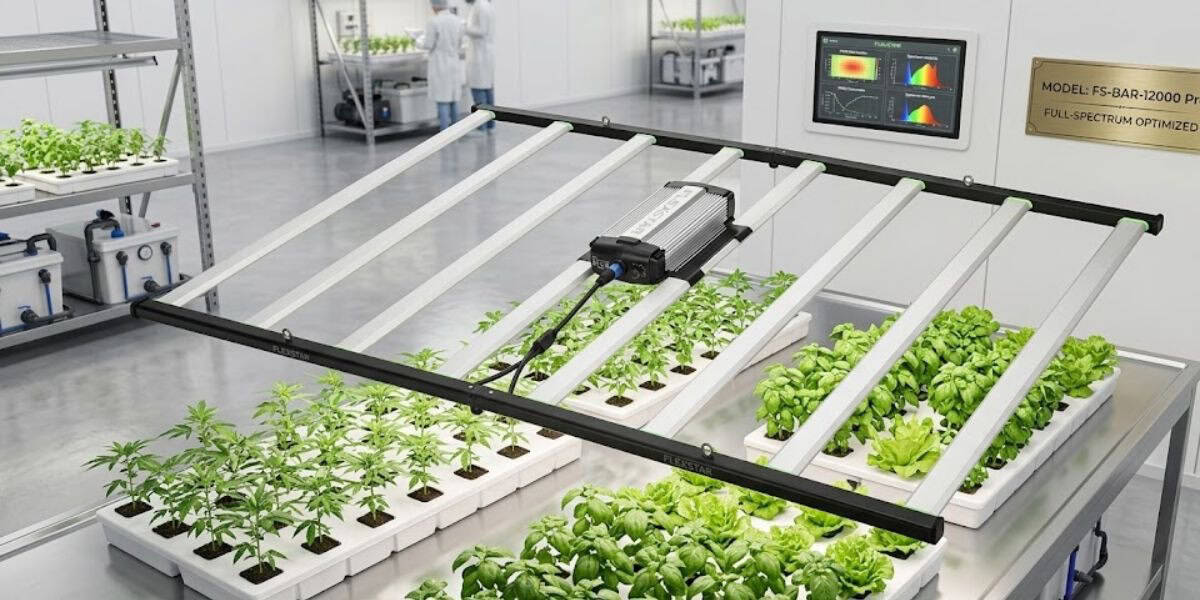
Selecting an 800W grow light requires evaluating measurable performance factors rather than relying on wattage labels alone.
Actual Power vs “Marketing Wattage”
Actual power draw shows how much electricity the light consumes from the wall. Many products labeled as “800W” may not draw a true 800 watts.
A reliable 800W grow light typically consumes 700–850 watts. This range ensures stable output without overstating performance.
Light Spectrum Requirements
Plants require specific wavelengths for growth and flowering. A full-spectrum LED includes:
- Blue light (400–500 nm) for vegetative growth
- Red light (600–700 nm) for flowering
- Optional UV/IR for advanced cultivation
Full-spectrum LEDs allow a single fixture to support the entire growth cycle without switching lights.
Dekkingsgebied
Coverage defines how much space the light can effectively support.
An 800W LED grow light typically covers:
- 4×4 ft for flowering
- 5×5 ft for vegetative growth
Matching light coverage to grow space prevents uneven plant development.
PPFD Distribution
PPFD (Photosynthetic Photon Flux Density) measures usable light reaching plants.
Uniform PPFD ensures consistent plant growth across the canopy. A well-designed 800W fixture delivers even distribution without hotspots or dim edges.
Dimming and Control Features
Modern grow lights include dimming functions to adjust intensity based on growth stage.
Typical control features include:
- 0–100% dimming
- Daisy-chain control for multiple lights
- External controllers (for commercial setups)
This improves energy efficiency and plant response.
Cooling System and Heat Management
Heat affects plant health and system lifespan.
Two common cooling methods:
- Passive cooling (heat sinks, no noise)
- Active cooling (fans, higher heat dissipation)
Efficient thermal design maintains stable output and prevents performance drop.
Build Quality and Components
Component quality directly impacts reliability and lifespan.
Key elements include:
- LED chips (Samsung LM301, Osram)
- Reliable drivers (Mean Well or equivalent)
- Certification (CE, RoHS, DLC where applicable)
High-quality components typically support a lifespan of ~50,000 hours.
Beslissingsinzicht
Choose based on efficiency, PPFD uniformity, and real power draw, not labeled wattage.
Key Specifications of 800W LED Grow Lights
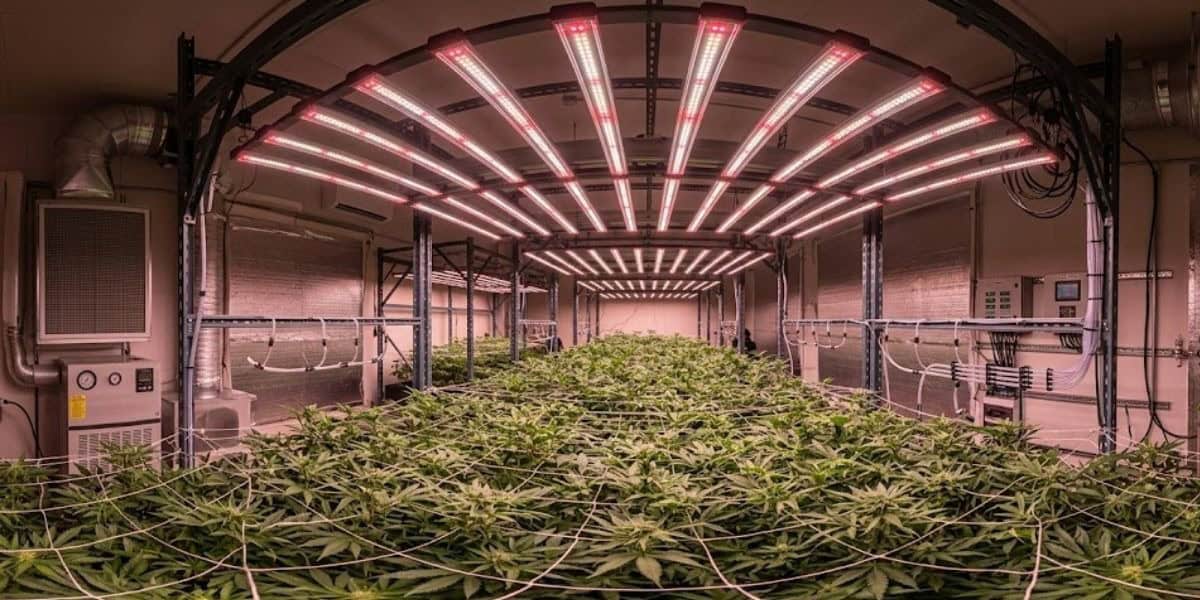
The following table shows typical technical values for standard 800W grow lights.
| parameter | Typisch bereik |
| bekwaamheid | 2.2–3.2 µmol/J |
| Power Draw | 700–850W |
| Dekkingsgebied | 4×4 to 5×5 ft |
| Flowering PPFD | 600–1000 µmol/m²/s |
| levensduur | ~50.000 uur |
Efficiency above 2.5 µmol/J is considered suitable for consistent indoor cultivation.
Beslissingsinzicht
Higher efficiency reduces electricity cost while maintaining plant growth performance.
Lees ook onze gids over: Grow Lights for Blooms: Best Spectrum, Intensity, and Setup Guide
Coverage and PPFD Guide for 800W Grow Lights
Light intensity must match plant growth stages.
| Groeistadium | Aanbevolen PPFD |
| kiemplant | 100–300 µmol/m²/s |
| vegetatief | 300–600 µMol/m²/s |
| het bloeien | 600–1000 µmol/m²/s |
Maintaining correct PPFD prevents plant stress and improves yield consistency.
Beslissingsinzicht
Adjust light intensity using dimming rather than changing fixture height alone.
Best 800 Watt LED Grow Light Brands and Options
Grow light brands differ in efficiency, build quality, and target users. The following categories reflect typical market positioning.
Premium / Commercial Brands
These are used in professional or high-yield environments:
- Mars Hydro
- Gavita
- Grower’s Choice
These brands typically offer efficiency between 2.7–3.1 µmol/J with consistent PPFD distribution.
Mid-Range Brands
Balanced performance and cost:
- Medic Grow
- Barrina
These products usually operate in the 2.4–2.8 µmol/J range and support medium-scale setups.
Budget Options
Lower cost but variable consistency:
- Phlizon
- Generic LM301 board-based lights
Efficiency typically ranges from 2.2–2.5 µmol/J, with less uniform distribution.
Beslissingsinzicht
For stable long-term use, mid-range or premium options provide better consistency than low-cost alternatives.
Cost vs Performance Comparison
| Category | Price Range | bekwaamheid | Suitable Use |
| Premium | $400–$1000 | 2.7–3.1 µmol/J | Commercial growing |
| Mid-Range | $250–$500 | 2.4–2.8 µmol/J | Small-scale indoor farms |
| Budget | $150–$400 | 2.2–2.5 µmol/J | Home growers |
Higher initial cost often results in lower energy consumption over time.
Beslissingsinzicht
Evaluate cost based on efficiency and lifespan, not purchase price alone.
800W LED Grow Light vs Lower Wattage Lights
| meldpunt | omvang | Typisch gebruik |
| 300W | 2×2 ft | Small plants |
| 600W | 3×3 ft | Medium setups |
| 800W | 4×4–5×5 ft | Full-cycle indoor growing |
An 800W system reduces the need for multiple smaller fixtures and simplifies setup.
Beslissingsinzicht
Use a single high-output fixture for uniform coverage instead of combining low-wattage lights.
Also Read: Waar vind ik de beste spectrale LED-groeilampen voor thuis of commercieel gebruik?
Common Mistakes to Avoid When Buying 800W Grow Lights
| Mistake | Impact |
| Ignoring actual wattage | Misleading performance expectations |
| Poor coverage planning | Uneven plant growth |
| No dimming control | Reduced flexibility |
| Overpowering small spaces | Light stress on plants |
| Low-quality components | Short lifespan |
Avoiding these issues improves both plant health and system efficiency.
Beslissingsinzicht
Match light output to grow space and plant type to prevent energy waste.
How to Choose the Right 800W Grow Light (Step-by-Step)
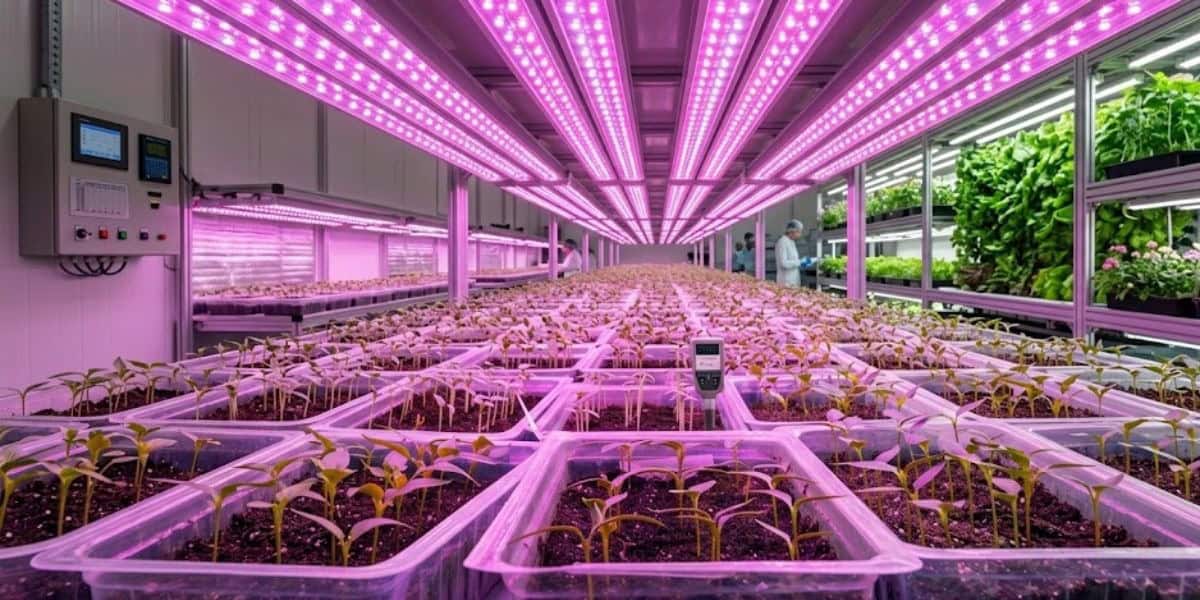
Selecting the correct system involves a structured process.
Step 1: Define grow space size
Measure the growth area to determine required coverage.
Step 2: Identify plant type and growth stage
Different plants require different light intensities.
Step 3: Check PPFD requirements
Ensure the fixture can deliver required PPFD levels.
Step 4: Compare efficiency (µmol/J)
Higher efficiency reduces operating costs.
Step 5: Evaluate control features
Choose dimming and control options based on setup complexity.
Beslissingsinzicht
A structured selection process reduces errors and improves long-term results.
Where to Buy 800W LED Grow Lights
800W grow lights are available through several channels:
- Manufacturer websites (direct sourcing)
- Specialized horticulture retailers
- Online marketplaces
Dedicated grow light stores often provide better product specifications and technical support compared to general marketplaces.
Beslissingsinzicht
Choose suppliers that provide detailed PPFD data and verified specifications.
Summary: Is an 800W LED Grow Light Worth It?
An 800W LED grow light is suitable for growers who require consistent output, full-cycle plant support, and efficient coverage for medium to large indoor spaces.
It provides enough intensity for flowering stages while maintaining flexibility through dimming and spectrum control. When selected based on efficiency, coverage, and component quality, it offers reliable long-term performance.
Beslissingsinzicht
An 800W grow light is effective when matched correctly to grow space and plant requirements.
